Liquidity and Volume: A Beginner’s Guide to Smart Trading
Dive into the world of trading, and you’ll often hear two key terms: liquidity and volume. Understanding these can transform your investing experience from guesswork to informed decision-making. Whether you’re exploring stocks, crypto, or forex, mastering liquidity and volume can make a big difference.
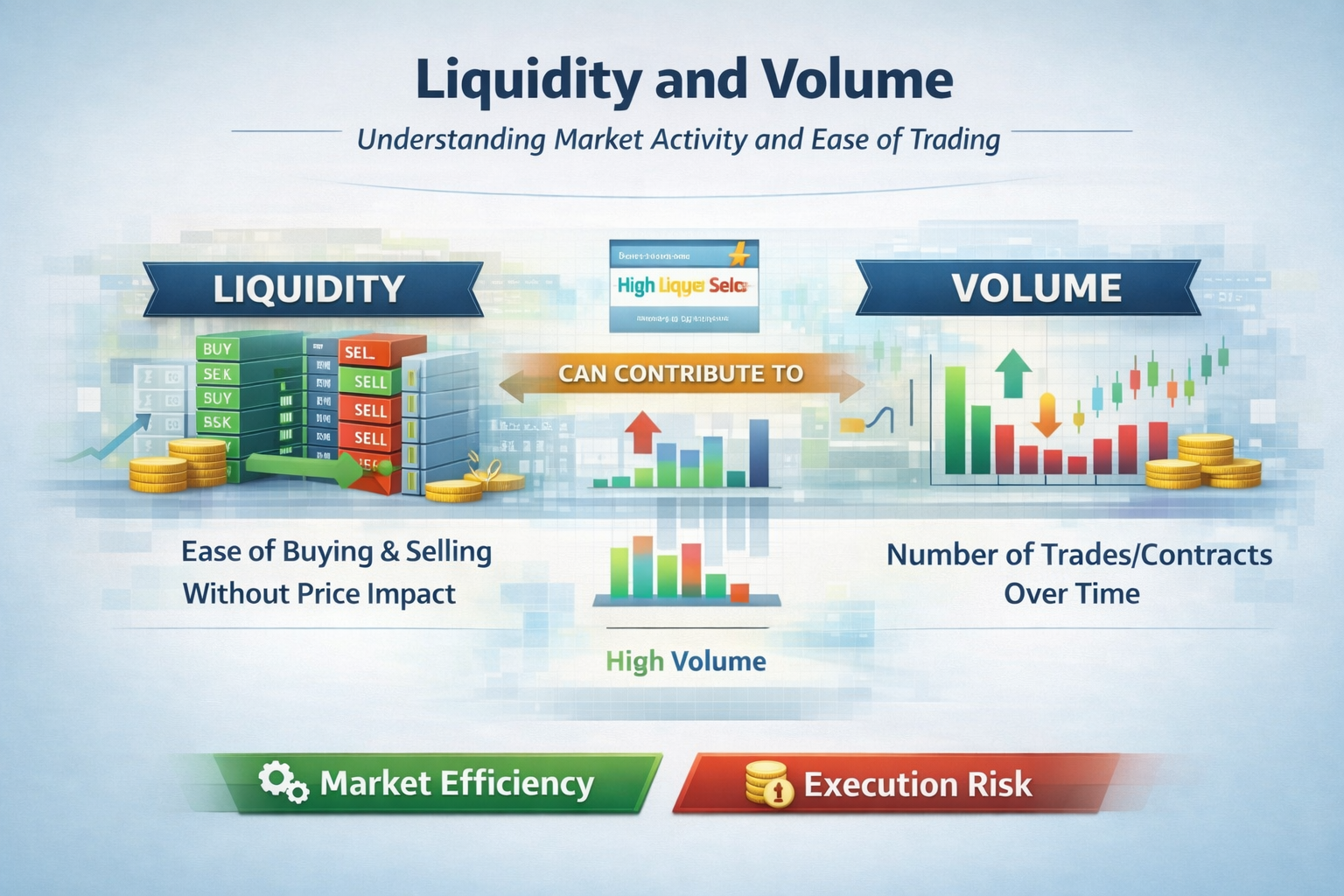
What are Liquidity and Volume?
Liquidity refers to how easily and quickly an asset—like a stock or cryptocurrency—can be bought or sold in the market, without affecting its price too much. In essence, high liquidity means you can make trades fast and at the price you want.
Volume is the total number of shares, coins, or contracts traded within a specific period. It essentially measures market activity and interest.
Essence: Liquidity is about ease of trading; Volume shows how active the market is.
Relatable Hook: Ever tried selling an old phone? If many buyers are looking, you’ll sell quickly at your price. That’s high liquidity. If the phone market is busy with loads of trades, the volume is high too.
Step-by-Step Guide: How to Understand and Use Liquidity and Volume
- Spot Asset Liquidity: Choose an asset (stock, crypto, etc.). Check if it trades frequently—more buyers and sellers usually mean higher liquidity.
- Look at Trading Volume: Find the asset’s trading volume—often mentioned in daily reports or charts. High volume means more people are trading it, which can signal strong interest.
- Check Bid-Ask Spreads: Look at the difference between the bid (buy price) and the ask (sell price). Smaller spreads usually mean higher liquidity.
- Assess Market Depth: Deeper markets (more orders at different prices) suggest higher liquidity.
- Make a Demo Trade: Try a practice trade to see how quickly your order is filled and if the price moves—this is a real-world test of liquidity and volume.
Breaking Down Liquidity and Volume in Detail
- Why Liquidity Matters: With higher liquidity, you can enter and exit positions easily, minimizing losses from sudden price swings.
- Why Volume Is Key: High volume signals confidence or excitement about an asset. Sudden volume spikes can mean something big—like news or trends—is happening.
- Liquidity vs. Volume: They often go hand-in-hand, but not always. A market can have high volume in a short burst, but if there aren’t enough buyers and sellers over time, liquidity can still be low.
Advantages of High Liquidity and Volume
- Easy to buy and sell assets quickly
- Better, fairer prices (less price manipulation)
- Lower transaction costs
- Signals stronger, more trustworthy markets
Disadvantages: What to Watch Out For
- Low Liquidity Risks: Harder to sell at your desired price; can get “stuck” in a trade.
- Misleading Volume Spikes: Sometimes, sudden surges in volume are caused by fake or manipulative trades, especially in less-regulated markets.
- Higher Liquidity, Lower Rewards: In very “crowded” markets, big quick profits are rare.
Alternative Investment Options
If liquidity or volume concerns worry you, consider these alternatives:
- ETFs (Exchange Traded Funds): Usually have high liquidity, and offer built-in diversification.
- Bonds: Especially government bonds, known for stable liquidity.
- Mutual Funds: Not traded all day like stocks, but managed by professionals with liquidity in mind.
Beginner’s Tips
- Start with assets that have high liquidity and volume—this reduces risk.
- Always check trading volume on your platform's charts before buying.
- Set "limit orders" to control your buying and selling price.
- Follow financial news to spot days of unusually high volume.
Advanced Variations for Experienced Traders
- Algorithmic Trading: Use volume and liquidity indicators to automate trading strategies.
- Volume-Weighted Average Price (VWAP): Helps judge if your trade gets you a good price across the day's volume.
- Liquidity Mining: In crypto, provide liquidity to exchanges and earn rewards.
FAQs: Liquidity and Volume
Q: Can a market have high volume but low liquidity?
A: Yes, if most trades are happening in a short burst or only at certain prices, liquidity throughout the day may still be low.
Q: What is a good liquidity level for beginners?
A: Look for assets with small bid-ask spreads and daily volumes in the millions (for stocks) or high numbers (for crypto/forex).
Q: Why do price gaps happen in low liquidity?
A: Few buyers and sellers mean prices can jump suddenly if a big order comes in—this is called a gap.
Final Thoughts: Learning the importance of liquidity and volume will help you trade smarter, avoid traps, and find investments that suit your comfort zone. Stay curious, start small, and remember—patience is as valuable as any trading skill.