Economic Indicators: CPI, Interest Rates, and Unemployment
Economic indicators like the Consumer Price Index (CPI), interest rates, and unemployment rates are commonly used tools to measure the health of an economy. In essence, they give investors, businesses, and everyday people clarity about what's happening in the markets and the broader financial world.
If you're new to investing or simply trying to understand what all the financial news means, learning the basics of these economic indicators will help you make informed decisions—whether you want to manage your budget better or think about investing.
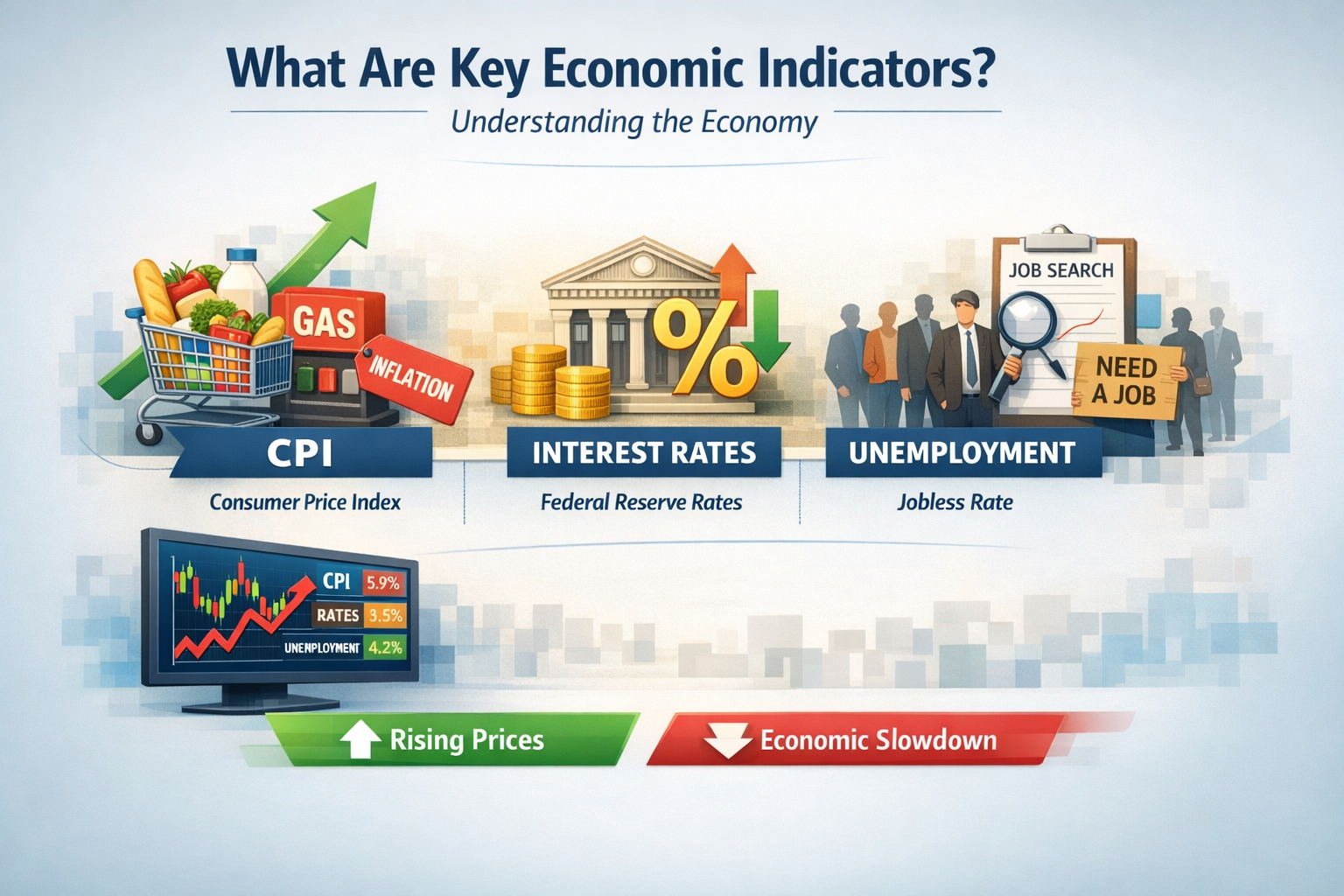
Step-by-Step Guide to Economic Indicators
- Understand Each Indicator:
- CPI (Consumer Price Index): This measures the average change in prices paid by consumers over time. It's a key gauge of inflation.
- Interest Rates: Set by central banks, they influence borrowing costs, savings, and investments. High rates can slow spending, while low rates encourage it.
- Unemployment Rate: Shows the percentage of people actively seeking work but unable to find jobs. High unemployment signals economic trouble; low rates suggest growth.
- Watch for Updates: Economic indicators are released regularly—monthly or quarterly. Reliable sources include government websites, central banks, and major news outlets.
- Compare Trends: Look at how each indicator changes over time, not just at a single number. For example, rising CPI year after year means inflation is growing.
- See How They Affect Each Other:
- Rising CPI often leads to higher interest rates.
- Higher interest rates can slow down the economy, sometimes leading to higher unemployment.
- Apply Insights: These indicators help guide investments, business planning, and everyday financial decisions. For example, high inflation (CPI) might lead you to look for investments that protect against rising prices, such as gold or real estate.
Advantages of Using Economic Indicators
- Make Informed Decisions: Understanding CPI, interest rates, and unemployment helps you anticipate market changes.
- Manage Risk: By tracking these indicators, you can reduce financial surprises.
- Better Financial Planning: Recognizing economic trends lets you adjust savings, investments, or business plans effectively.
Disadvantages of Economic Indicators
- Lagging Data: Sometimes the information is weeks or months old, so the situation may have already changed.
- Can Be Misleading: Indicators don't always reflect everyone’s experience. For example, average unemployment doesn't show regional differences.
- Complexity: For beginners, it can feel overwhelming to track and interpret multiple indicators.
Alternative Investment Options
- Index Funds: Invest in a wide market (like the S&P 500) to spread out risk.
- Precious Metals: Gold and silver often hold value during inflation or economic swings.
- Real Estate: Property can provide stable income regardless of short-term economic cycles.
- Bonds: Fixed income can be attractive when interest rates are stable or rising.
Beginner’s Tips for Using Economic Indicators
- Start by tracking just one indicator, such as CPI, to build confidence.
- Use simple sources (official websites, news summaries) before diving into detailed reports.
- Look for patterns, not just single numbers—trends matter more.
- Discuss with friends or online communities to share insights and learn together.
Advanced Variations for Experienced Traders
- Combine economic indicators (CPI, interest rates, unemployment) with technical charts for deeper market analysis.
- Watch for central bank meetings and policy announcements that can quickly change interest rates or expectations.
- Diversify across different economies (emerging markets vs. developed economies) to manage risk.
- Use more complex data releases, like GDP growth or manufacturing indexes, for a fuller market picture.
FAQs: Economic Indicators
Q: How often are CPI, interest rates, and unemployment rates updated?
A: Usually every month. Check your country’s statistics office or central bank for the exact schedule.
Q: Do economic indicators guarantee investment returns?
A: No, they help guide decisions but can’t predict markets perfectly.
Q: Can beginners use economic indicators effectively?
A: Yes. Start simple, focus on trends, and use accessible resources to build your understanding over time.